
What is osteopathy?
What happens during a visit to an osteopath and what does osteopathic treatment involve? We explain step by step with examples from the FizjoStyl clinic in Kraków.
Book online 24/7 · visits Mon–Fri 7:00–21:00, Sat 7:00–14:00 · 2 clinics in Kraków
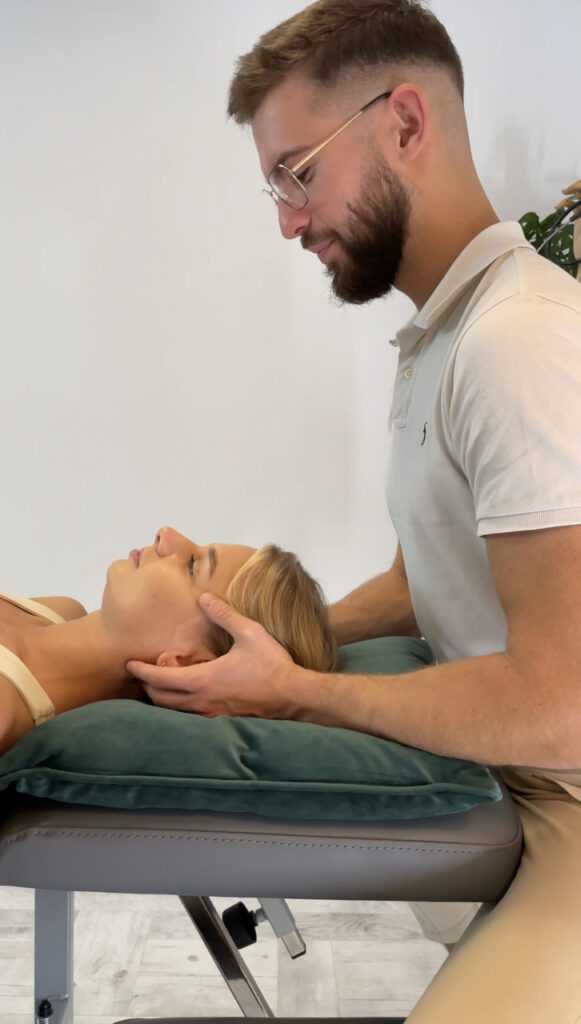
Osteopathy – the body has the ability to self-regulate and self-heal
Looking for an osteopath in Kraków? Osteopathy in Kraków – prices and appointments (Kliny and ul. Wolska 2a).
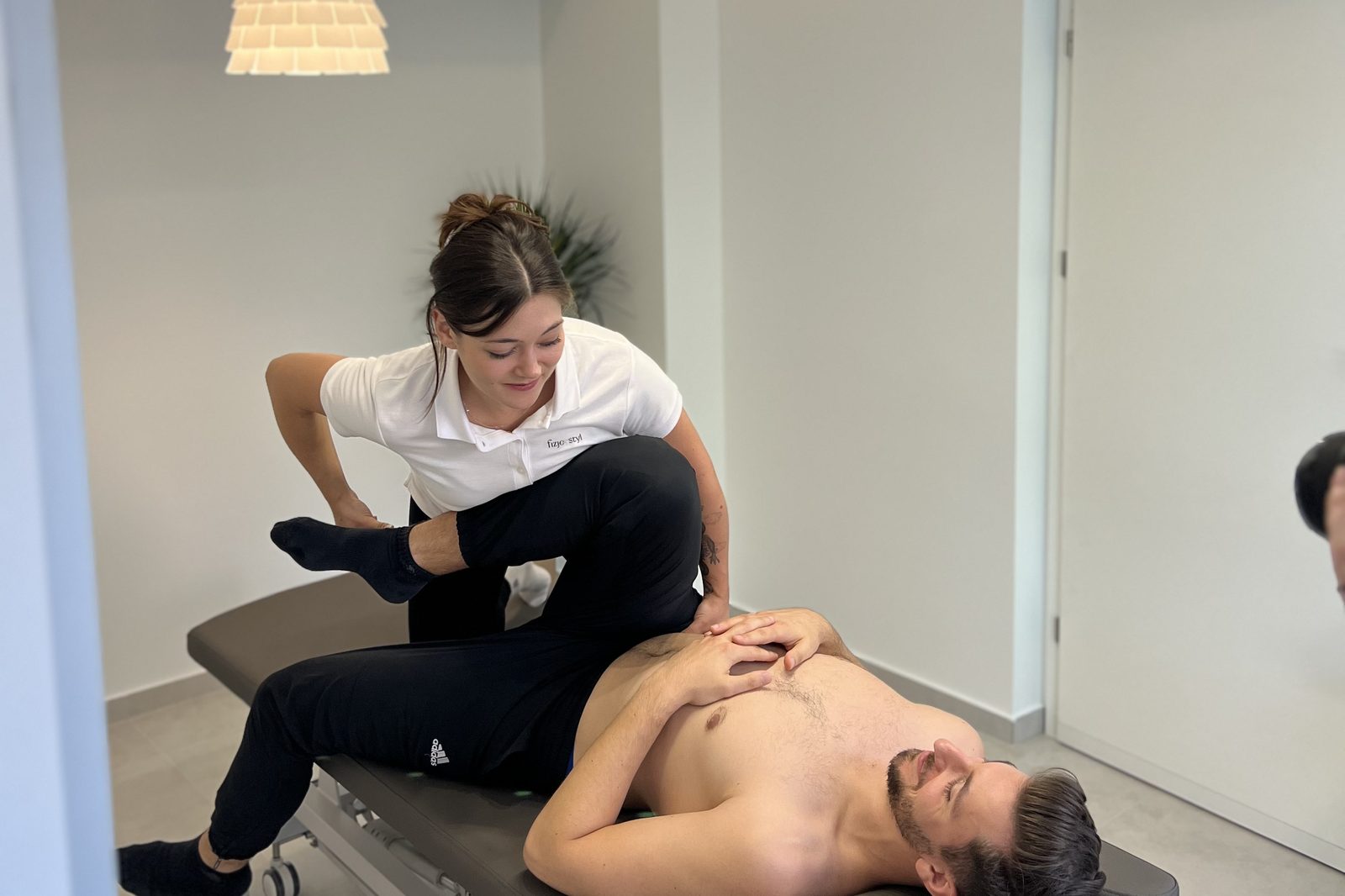
Osteopathy is a system of diagnosis and treatment that focuses on the integrity of the body's structure, particularly the skeletal, muscular and joint systems. The main principles of osteopathy include the belief that the body has the ability to self-regulate and self-heal, and that disturbances in the body's structure can affect health and function.
Methods used in osteopathy
Joint mobilisation:
- The use of joint mobilisation techniques, which involve controlled, precise movement of the joints in order to improve their mobility. This may include gentle manipulation or stretching of the joints.
Joint manipulation:
- Joint manipulations are quick, short movements of the joints intended to restore normal mobility and position. These manipulations are performed in a controlled manner, usually using specialised techniques.
Soft tissue massage:
- The use of soft tissue massage techniques to ease muscle tension, improve blood circulation and support the healing process.
Nerve mobilisation techniques:
- Nerve manipulation may be used to relieve nerve compression and improve the function of the nervous system. This is particularly important in conditions such as sciatica.
Fascial therapy:
- Osteopaths often work with connective tissue (fascia), using techniques aimed at improving the elasticity and balance of this tissue. This can help to reduce tension and improve the function of various structures in the body.
Craniosacral therapy:
- The use of craniosacral techniques, which focus on manipulating the skull (cranium) and the sacrum. These techniques aim to improve the flow of cerebrospinal fluid and the balance of the nervous system.
Therapeutic exercise:
- Osteopaths often recommend individual exercise programmes that patients can do at home to strengthen their muscles, improve their posture and support the treatment process.
Lifestyle advice:
- Offering advice on a healthy lifestyle, including appropriate eating habits and physical activity, as well as guidance on ergonomic body positioning during everyday activities.
Osteopathy is a holistic approach, which means that the therapist takes into account the patient's whole body and its functions. However, it is worth remembering that every case is individual, and the effectiveness of osteopathy may vary depending on the specific condition and how the patient's body responds.
Osteopathy in practice: what it is used for
Spinal pain:
- Osteopathy is often used to treat spinal pain, such as back pain, neck pain or lower back pain. Osteopaths work to restore balance and mobility in the joints of the spine.
Joint and muscle pain:
- Osteopathy can help to relieve joint and muscle pain, particularly in the case of injuries, overuse or musculoskeletal problems.
Nervous system disorders:
- In some cases, osteopathy may be used in the treatment of nervous system disorders such as sciatica, carpal tunnel syndrome or migraine.
Problems with internal organs:
- Osteopathy can influence the functioning of internal organs through manipulation of soft tissues and bony structures. It is used for problems with the digestive, urinary, respiratory or reproductive systems.
Range of motion and flexibility:
- Osteopathy can help to improve joint range of motion, soft tissue flexibility and muscle balance. It is often used in rehabilitation after injuries and surgery.
Postural disorders:
- Osteopaths work to improve body posture, which can help to prevent back pain and other problems associated with poor posture.
Organ function disorders:
- Osteopathy can influence internal organ systems such as the digestive, urinary or reproductive systems. It may be used for complaints such as constipation, urinary incontinence or menstrual cycle problems.
Injury prevention:
- Osteopathy can also be used to prevent injuries, particularly in physically active people, athletes and those who work in specific physical conditions.
Need help in person? Physiotherapy in Kraków – FizjoStyl: clinics in Kliny and at ul. Wolska 2a.
Looking for an osteopath in Kraków? See how we work and how much a visit costs: osteopath in Kraków – FizjoStyl.
Want to talk it over with a physiotherapist?
Book a free 15-minute consultation. We will talk about your problem and, if you wish, continue straight into a full visit.
Wolska 2a clinic
Prokocim, next to the Bieżanowska stop. Parking in front of the building.
See the clinic →