
Osteopathy in practice
What happens during a visit to an osteopath and what does osteopathic treatment involve? We explain step by step with examples from the FizjoStyl clinic in Krakow.
Book online 24/7 · visits Mon–Fri 7:00–21:00, Sat 7:00–14:00 · 2 clinics in Krakow
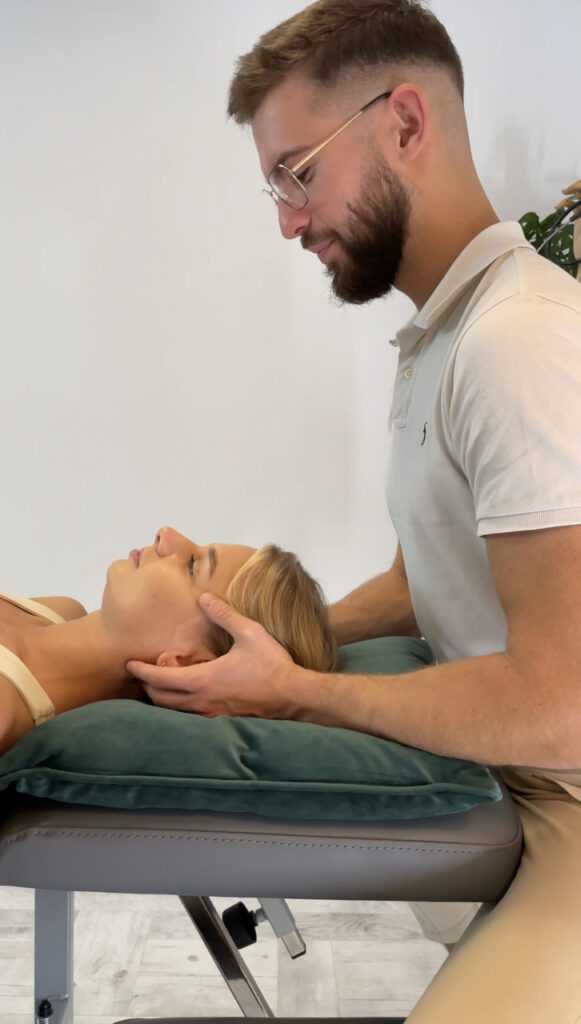
Osteopathy – the body has the ability to self-regulate and self-heal
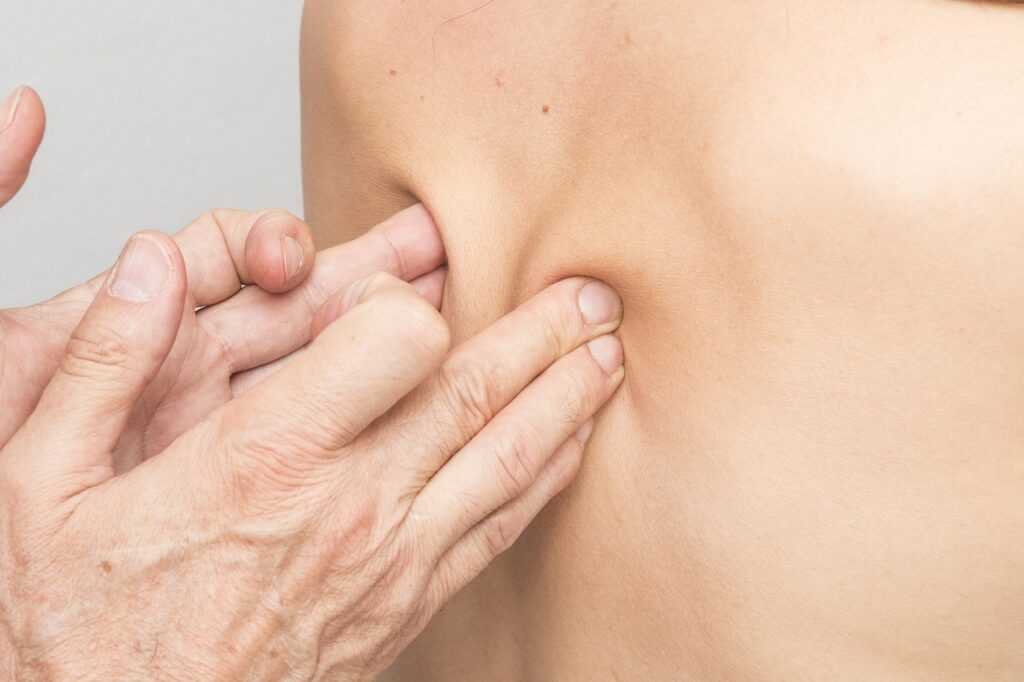
What is osteopathy?
Osteopathy is a system of diagnosis and treatment that focuses on the integrity of the body's structure, particularly the skeletal, muscular and joint systems. The main principles of osteopathy include the belief that the body has the ability to self-regulate and self-heal, and that disturbances in the body's structure can affect health and function.
Methods used in osteopathy
Joint mobilisation:
- Using joint mobilisation techniques, which involve controlled, precise movement of the joints to improve their mobility. This may include gentle manipulation or stretching of the joints.
Joint manipulation:
- Joint manipulations are quick, short movements of the joints aimed at restoring normal mobility and position. These manipulations are performed in a controlled way, usually using special techniques.
Soft tissue massage:
- Using soft tissue massage techniques to ease muscle tension, improve blood circulation and support healing processes.
Nerve mobilisation techniques:
- Nerve manipulation may be used to relieve pressure on nerves and improve nervous system function. This is particularly important for complaints such as sciatica.
Fascial therapy:
- Osteopaths often work with connective tissue (fascia), using techniques aimed at improving the elasticity and balance of this tissue. This can help reduce tension and improve the function of various body structures.
Craniosacral therapy:
- Using craniosacral techniques, which focus on manipulating the skull (cranium) and the sacrum. These techniques aim to improve the flow of cerebrospinal fluid and the balance of the nervous system.
Therapeutic exercise:
- Osteopaths often recommend individual exercise programmes that patients can do at home to strengthen their muscles, improve their posture and support the healing process.
Lifestyle advice:
- Offering advice on a healthy lifestyle, including appropriate eating habits and physical activity, as well as advice on ergonomic body positioning in everyday activities.
Osteopathy is a holistic approach, which means the therapist takes the patient's whole body and its functions into account. However, it's worth remembering that every case is individual, and the effectiveness of osteopathy may vary depending on the specific condition and how the patient's body responds.
Osteopathy in practice
Spinal pain:
- Osteopathy is often used to treat spinal pain, such as back pain, neck pain or lower back pain. Osteopaths work on restoring balance and mobility in the spinal joints.
Joint and muscle pain:
- Osteopathy can help relieve joint and muscle pain, especially in the case of injuries, overuse or musculoskeletal problems.
Nervous system disorders:
- In some cases, osteopathy may be used to treat nervous system disorders such as sciatica, carpal tunnel syndrome or migraine.
Problems with internal organs:
- Osteopathy can influence the function of the internal organs through manipulation of soft tissues and bony structures. It is used for problems with the digestive, urinary, respiratory or reproductive systems.
Range of motion and flexibility:
- Osteopathy can help improve the range of motion in joints, soft tissue flexibility and muscle balance. It's often used in rehabilitation after injuries and surgery.
Postural problems:
- Osteopaths work on improving body posture, which can help prevent back pain and other problems related to poor posture.
Organ function disorders:
- Osteopathy can influence the internal organ systems, such as the digestive, urinary or reproductive systems. It may be used for complaints such as constipation, urinary incontinence or menstrual cycle problems.
Injury prevention:
- Osteopathy can also be used to prevent injuries, especially in physically active people, athletes or people working in specific physical conditions.
Need help in person? Physiotherapy in Kraków – FizjoStyl: clinics in Kliny and at ul. Wolska 2a.
Want to talk it over with a physiotherapist?
Book a free 15-minute consultation. We will talk about your problem and, if you wish, continue straight into a full visit.
Wolska 2a clinic
Prokocim, next to the Bieżanowska stop. Parking in front of the building.
See the clinic →